The Role of Proper Wheel Alignment for Safe Driving in Louisa, VA
Every car on the road depends on four wheels to get where it’s going, but it’s not just about the tires—it’s about how those wheels are aligned. If your alignment is even a little off, your vehicle’s performance and safety can take a major hit. From pulling to one side to premature tire wear, poor alignment causes problems you’ll feel every time you drive.
Here in Louisa, VA, where winding country roads meet rugged work trucks and daily drivers, proper wheel alignment isn’t a luxury—it’s a necessity. Whether you’re commuting to Charlottesville, heading down I-64, or simply driving into town, keeping your wheels properly aligned ensures you’re safe, efficient, and in control.
Let’s take a closer look at what wheel alignment is, why it matters for your vehicle’s health, how to recognize the warning signs, and where to go in Louisa when your car needs a little straightening out.
What Is Wheel Alignment?
Wheel alignment refers to the adjustment of a vehicle’s suspension system—the part that connects a car to its wheels. It’s not about the wheels themselves, but how they sit relative to the road and to each other. During an alignment service, a trained technician adjusts the angles of your wheels to match factory specifications. The key alignment angles are:
- Toe: This is the angle your tires point inward or outward when viewed from above. Improper toe alignment causes tires to scrub against the road, increasing wear and reducing control.
- Camber: This refers to the tilt of the wheel inward or outward from a front view. Too much tilt (either direction) can lead to uneven tread wear.
- Caster: This is the angle of your steering axis from the side view. Proper caster ensures stability and helps your steering wheel return to center.
- Thrust Angle: Relevant during four-wheel alignments, thrust measures how parallel your rear and front axles are, keeping your car tracking straight.
Think of alignment as the foundation of your car’s handling and balance. When it’s off, everything else—tire wear, fuel efficiency, steering control—starts to suffer.
Why Wheel Alignment Matters for Drivers in Louisa
Driving around Louisa can mean navigating gravel roads, curving backcountry lanes, and the occasional pothole. Each of these conditions can knock your vehicle out of alignment. But why should you care?
Here are the top reasons why proper wheel alignment is vital for your safety and your wallet:
1. Safety First
Misaligned wheels make your vehicle harder to control. Your car might pull to one side, increasing the risk of drifting out of your lane or reacting unpredictably in an emergency. Alignment ensures your vehicle responds correctly to your steering inputs, especially at higher speeds or in rainy conditions common in Virginia.
2. Protect Your Tires
Tires are expensive, and misalignment wears them out faster—sometimes in a matter of months. Proper alignment helps your tires make even contact with the road, preserving tread and extending tire life. That means better grip, improved braking, and more money in your pocket.
3. Improve Fuel Efficiency
A car that fights against its own wheels burns more fuel. If your wheels are misaligned, your vehicle needs more power to roll forward because of increased rolling resistance. A proper alignment helps your car move efficiently, boosting your gas mileage and lowering emissions.
4. Smoother Ride
A car that tracks straight without vibrating or pulling feels better to drive. Proper alignment eliminates those small annoyances that can turn a 20-minute drive into a chore. Plus, it reduces strain on suspension parts, keeping your whole system in better shape longer.
Signs Your Car Needs a Wheel Alignment
Not sure if you need an alignment? Keep an eye (and ear) out for these telltale symptoms:
- Vehicle pulls to one side even when driving on a flat road
- Steering wheel is off-center when you’re driving straight
- Vibration in the steering wheel, especially at certain speeds
- Uneven or rapid tire wear, such as one edge wearing faster than the other
- Poor handling, especially when turning or driving at higher speeds
If you’re noticing any of these issues, it’s time to book an appointment with a trusted technician. Ignoring the problem can lead to more expensive repairs down the road.
How Does Wheel Alignment Work?
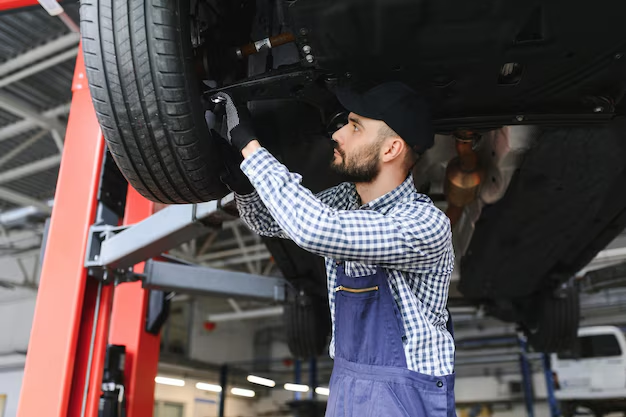
When you bring your vehicle in for a wheel alignment at a certified shop like Weimer Automotive in Louisa, the process typically involves:
- Inspection of the suspension and steering components for wear or damage
- Measurement of current wheel angles using computerized alignment equipment
- Adjustment of toe, camber, and caster to match manufacturer specs
- Road test to confirm improved performance and steering response

Modern alignment machines use lasers and cameras to achieve pinpoint accuracy. At Weimer Automotive, our certified technicians use the latest equipment to make sure your alignment is spot-on—no guesswork, just precision.
Can Alignment Affect Balancing?
Yes, and while they’re different services, wheel alignment and automotive balancing often go hand-in-hand.
- Wheel alignment focuses on the angles of your wheels relative to your car.
- Balancing ensures that your tires and wheels spin evenly without causing vibration.
If your wheels are out of alignment, they can cause uneven tire wear, which may throw your wheel balance off. And vice versa—a poorly balanced wheel can lead to abnormal tire wear that messes with alignment over time. At Weimer Automotive, we check both during routine service to give you the smoothest and safest ride possible.
How Often Should You Get a Wheel Alignment?
There’s no one-size-fits-all answer, but a good rule of thumb is to check your alignment:
- Every 12,000 to 15,000 miles
- When you get new tires
- After hitting a pothole or curb
- If you notice uneven tire wear or steering issues
- After suspension or steering repairs
In Louisa, where road conditions can vary and backroads take a toll on your suspension, we recommend having your alignment checked at least once a year—especially if you drive frequently or haul loads with your truck or SUV.
Why Louisa Drivers Trust Weimer Automotive
At Weimer Automotive, we’re not just fixing cars—we’re keeping our neighbors safe. As a family-owned auto repair shop in Louisa, VA, we understand how important it is to have a vehicle you can depend on. That’s why our alignment services go beyond just basic adjustments.
Here’s what makes us your go-to alignment shop:
- Certified technicians with years of hands-on experience
- Advanced diagnostic tools and precision alignment equipment
- Transparent pricing and honest recommendations—no surprises
- Complete auto service for all makes and models, including diesel vehicles
- Walk-ins welcome, because car trouble doesn’t always follow a schedule
Whether you’re driving a daily commuter, a lifted truck, or a family SUV, we make sure your vehicle stays aligned, balanced, and road-ready.
If your car’s been pulling to the side, wearing out tires too fast, or just not handling like it used to, don’t wait for things to get worse. Wheel alignment isn’t just a maintenance item—it’s a safety essential.
Call or visit Weimer Automotive in Louisa, VA, today and let our family take care of yours. Whether you’re coming in for an alignment, tire service, or a full inspection, we’re here to keep your car straight, smooth, and safe on every road you travel.
Ready for a smoother ride? Book your alignment appointment now—online or by phone—and feel the difference precision makes.